Key takeaways
- AI and machine learning find patterns in maintenance data to improve reliability and planning.
- IoT sensors feed live equipment data into the CMMS and trigger work earlier.
- Cloud and mobile access are now the baseline for maintenance teams.
- Integration with ERP and other systems keeps parts, cost and work data consistent.
- Pick trends by the maintenance problem they solve, not by novelty.
The CMMS technology trends that matter most are AI and machine learning, IoT-based condition monitoring, cloud and mobile access, integration with ERP, and cybersecurity. Together they move maintenance teams from reactive repair to planned, data-driven work. Augmented reality and blockchain are earlier-stage, so adopt each trend only where it solves a real maintenance problem.
Which technology trends are transforming CMMS?
The CMMS (Computerized Maintenance Management System) industry is rapidly evolving, and technology is playing a central role in this transformation. CMMS solutions are leveraging a range of advanced technologies to improve their performance and capabilities, and to enable organizations to better manage and maintain their equipment and facilities.
These ten technology trends continue to shape CMMS software and the way maintenance teams work:
How are AI and machine learning used in a CMMS?
CMMS solutions are increasingly using artificial intelligence (AI) and machine learning (ML) to improve their performance and capabilities. For example, AI and ML can be used to analyze maintenance data and identify patterns and trends that can help organizations optimize their maintenance activities and improve equipment reliability.
How does IoT fit into a CMMS?
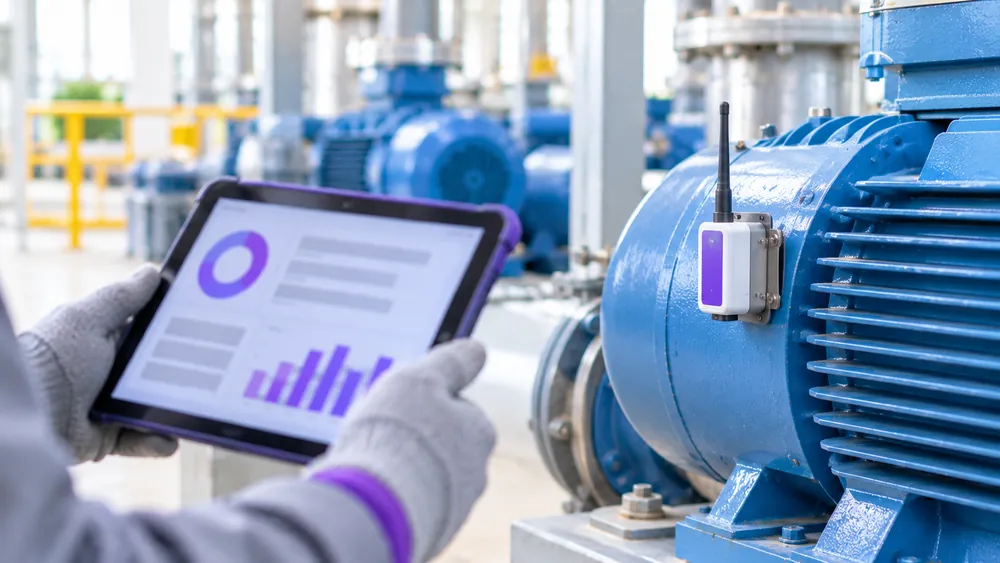
CMMS solutions are continuously evolving to incorporate the latest technologies that can help optimize maintenance operations. One such technology is the Internet of Things (IoT), which is a network of interconnected devices that can collect and transmit data over the internet. By integrating with the IoT, CMMS solutions can improve their data collection and analysis capabilities, and enable real-time monitoring of equipment and facilities. This enables businesses to implement more effective condition monitoring strategies, and to transition from reactive maintenance to proactive maintenance, resulting in increased asset reliability and reduced downtime.
Why is cloud computing a CMMS trend?
Cloud computing is a technology that enables organizations to store and access data and applications over the internet, rather than on local servers. CMMS solutions are increasingly leveraging cloud computing to enable remote access and collaboration, and to reduce the cost and complexity of maintaining and updating the system.
Why does mobile access matter in a CMMS?
Mobile technology is becoming increasingly important for CMMS solutions, as it enables maintenance teams to access and update the system from anywhere, using mobile devices such as smartphones and tablets. This can improve the speed and efficiency of maintenance activities, and enable organizations to respond to equipment issues more quickly.
Where do augmented and virtual reality fit?
Augmented and virtual reality (AR/VR) technologies are used alongside CMMS solutions to improve training and support for maintenance teams. For example, AR/VR can be used to provide maintenance teams with step-by-step instructions and guidance for complex tasks, and to enable remote support and collaboration with experts.
Is blockchain relevant to CMMS?
Blockchain is a technology that enables secure and transparent data sharing and collaboration. In maintenance software it remains an early-stage option. What most plants need today is controlled access and a reliable audit trail of who changed what, which role-based permissions and change history in a CMMS provide.
How does predictive maintenance fit into a CMMS?
Predictive maintenance is a maintenance strategy that uses data and analytics to predict when equipment is likely to fail or require maintenance, and take proactive action to prevent downtime and improve equipment reliability. CMMS solutions are using predictive maintenance to support this strategy and improve the efficiency and effectiveness of maintenance activities.
What does asset management add to a CMMS?
Asset management is the process of tracking and managing the lifecycle of equipment and facilities. CMMS solutions are using asset management tools and functionality to enable organizations to track and manage their assets, and to optimize their maintenance activities.
Why does CMMS integration with other systems matter?
CMMS solutions are increasingly integrating with other systems, such as enterprise resource planning (ERP) and supply chain management (SCM) systems, to enable seamless data sharing and collaboration. This can improve the efficiency and effectiveness of maintenance activities, and support the overall operations of the organization.
How does cybersecurity affect a CMMS?
As CMMS solutions become more complex and connected, cybersecurity is becoming an increasingly important consideration. CMMS solutions are implementing robust security measures, such as role-based access, encryption and regular backups, to protect maintenance data against unauthorized access and loss.
These trends are changing how plants run maintenance. To adopt and embrace emerging technologies in CMMS (Computerized Maintenance Management System), organizations can follow these steps:
- Identify the key technologies that are relevant to their operations and objectives: Organizations can research and identify the key technologies that are relevant to their operations and objectives, such as AI, the IoT, and cloud computing.
- Evaluate the potential benefits and challenges of these technologies: Organizations can evaluate the potential benefits and challenges of these technologies, such as improved equipment reliability, reduced downtime, and enhanced collaboration and productivity.
- Develop a technology adoption plan: Organizations can develop a plan to adopt these technologies, including the resources and support needed, and set a timeline and milestones. With MaintWiz, guided onboarding by customer success managers and Excel uploads take the CMMS live in 4 to 6 weeks.
- Invest in training and support: Organizations can invest in training and support for their teams to ensure that they are able to use and benefit from these technologies effectively.
- Monitor and evaluate the performance of these technologies: Organizations can monitor and evaluate the performance of these technologies to ensure that they are delivering the expected benefits and to identify opportunities for improvement.
To optimize their maintenance operations and achieve better equipment reliability, organizations can adopt and embrace emerging technologies in CMMS. By following these steps, businesses can implement preventive maintenance measures, reduce downtime, and enhance collaboration and productivity.
What should you check when choosing a CMMS for these trends?
- AI that people control: assistants that propose work orders or flag anomalies, with a planner approving each action.
- Mobile with offline use: technicians update work orders at the asset, even without network coverage.
- Open integration: a tested link to ERP and to IoT or SCADA data sources.
- Security basics: role-based access, encryption and backups.
- Fit with TPM: support for the way your plant already runs maintenance.
FAQs
What are the top technology trends in CMMS?
The leading trends are AI and machine learning, IoT sensor integration, cloud hosting, mobile access, predictive maintenance, integration with ERP and other systems, and stronger cybersecurity. Augmented reality and blockchain are earlier-stage.
How is AI used in a CMMS?
AI analyzes work order, failure and sensor data to find patterns, predict likely failures, suggest schedules and help prioritize work. Good practice keeps people in control, with the planner approving what AI proposes.
Why is mobile access important in a CMMS?
Technicians see and update work orders, checklists and asset history at the equipment. That cuts paperwork, speeds up response, and keeps records accurate because data is entered where the work happens.
Does a CMMS need to integrate with ERP?
Integration is strongly recommended. Linking the CMMS to ERP keeps spare parts, purchasing and cost data consistent, so maintenance and finance work from the same numbers and parts are not ordered twice.
How do I adopt new CMMS technology without disruption?
Start with the technologies that solve your biggest problem, evaluate benefits and risks, plan resources and milestones, train teams, and track results. Guided onboarding and Excel data uploads help teams go live quickly.